

What Animals Are Located In Beaver Crossing Ne
Nebraska's varied landscape of wetlands, prairie grasslands, and forests offers many types of habitat. In the state, 80 species of mammals, 63 species of reptiles and amphibians, and more than than 400 species of birds thrive. Xx-two types of fish are also native to Nebraska. Rodents make upward almost half of Nebraska's native mammals.
Some of the animals native to the state include armadillos, shrews, jackrabbits, and bats. The state'southward native carnivores include coyotes, gray wolves, foxes, black bears, brown bears, lynx, cougar, ferret, and skunks. Moose, elk, white-tailed deer, mule deer, bison, bighorn sheep, and pronghorn roam the prairie and other habitats.
The Official Animal of Nebraska
The Nebraska State Legislature has named three official animals for the state. These include the country bird, land mammal, and state fish.
Official state bird of Nebraska: Western Meadowlark
The western meadowlark (Sturnella neglecta) has been Nebraska's state bird since 1929. These yellowish-breasted eleven-inch birds are found throughout the state and tin can exist recognized by their joyful vocal. The meadowlark is a cousin to blackbirds only has more patterned markings. Their backs, wings, and legs feature brown and dark-brown-streaked markings on a white or beige underside. On their vibrant yellow breasts and at the base of operations of the neck, these lovely songbirds also feature a jet black crescent.
Official fish of Nebraska: Channel Catfish
Since 1997, the channel catfish (Ictalurus punctatus) has represented the country of Nebraska as its official fish. This sportfish is widely sought as a meaty nutrient. The channel catfish spawns and nests in rivers or streams under the protection of tree roots or rocks. Male "channel cats" guard and defend their nests against predators interested in eating the eggs.
Official Mammal of Nebraska: White-Tailed Deer
The white-tailed deer was named Nebraska's official mammal in 1981. These herbivores are most often seen in brushy areas, woodlands, and farmlands where they feed on abundant vegetation. When startled, the deer raise their dark-brown tails that feature a vivid white underside. The flash of white conveys danger to other deer in the expanse. Baby deer, called fawns, tin can also utilize this white tail to go on rail of their mother when following them in flight at night and through dense groundcover. Although white-tailed deer are vegetarians, they enjoy a varied nutrition available to them throughout the state. They eat acorns, corn, nuts, woody vegetation, and greenish plants. They are fed on by ticks in Nebraska.
Wildlife in Nebraska
Wild fauna in Nebraska are varied in types, habitats, diets, and abundance. Of the native species, some are endangered, vulnerable, or about threatened.
Endangered species of wild animals in Nebraska include the little dark-brown bat and black-footed ferret. The tricolored bat is a vulnerable species. The American bison is near threatened just being reintroduced through wildlife management.
Strange animals of Nebraska include the armored ix-banded armadillo, 1 of the most unique creatures in the United States. Other strange mammals are the black-tailed jackrabbit and white-tailed jackrabbit, both with oversized ears towering above their heads. The black-tailed jackrabbit's ears are especially big.
Strange rodents of Nebraska include the abundant voles such as the prairie vole, meadow vole, and woodland vole. Southern flight squirrels in Nebraska are rodents that can fly, thanks to their wing-like skin flaps extending from upper legs to lower legs. The state's N American porcupine is some other foreign species, the 2nd-largest rodent in the United states of america, only smaller than the North American beaver.
The most common mammals in Nebraska include squirrels, raccoons, and deer. At night, evening bats are common as they chase for beetles, moths, and other insects. Among the rodents of the state, the most mutual inside urban areas are the house mouse, black rat and dark-brown rat. Some species of spiders can as well be found in Nebraska.
Among the rarest wild animals in Nebraska are the American bison, black-footed ferret, tricolored bat, northern long-eared bat and little brown bat. Exterior of state parks, zoos and wildlife preserves, it is as well uncommon to see some of the state'due south larger predators and carnivores. Among the rarest predators and carnivores are the Grizzly carry, black bear, coyote, gray wolf, play tricks, lynx and cougar. These are the rarest large mammals because they typically flee upon seeing people and avert crossing paths with humans, in the first place.
Where To Find The Top Wild animals in Nebraska
With more 23,000 miles of rivers and streams beyond the state, Nebraska is not just the farmland nearly people wait. The state offers diverse habitats for many species to live and roam, including the prairies, wetlands and ponderosa pine forests. Visitors to the country typically want to see sandhill cranes, eagles and big game or herd animals. Among the most popular herd animals for visitors are bighorn sheep, bison and elk.
The almost highly recommended places for wildlife viewing in Nebraska include:
- Chadron State Park to spot bighorn sheep
- Fort Robinson State Park for bighorn sheep sightings
- Indian Cave State Park for baldheaded eagle viewing along the Missouri River in January
- Ponca State Park for wild turkey viewing
- Pine Ridge National Recreation Area for elk sightings
- The Crane Trust, the earth's largest sandhill crane gathering at the Platte River in March each year
- Ian Nicolson Audubon Eye at Rowe Sanctuary, also for sandhill crane viewing each March at sunrise and sunset
- Fort Niobrara National Wildlife Refuge for a herd of near 350 bison
The Virtually Dangerous Animals in Nebraska Today
The odds of being killed by an animal in Nebraska are very low, peculiarly when compared to the rest of the Us. In fact, Nebraska ranks at number 30 out of the 50 states in terms of this potential for fatal injury.
Although the state is home to brown carry, cougar, lynx and coyote, these are not as probable to kill y'all as a much smaller creature. The deadliest animate being in the state is the poisonous snake. More specifically, y'all can die from the venomous bite of one of Nebraska'due south iv deadly snakes, the timber rattlesnake, prairie rattlesnake, copperhead and Western massasauga rattlesnake.
For a full assay of the most dangerous animals in Nebraska, read our full guide.
Endangered Animals in Nebraska
Threatened and endangered species in Nebraska include:
- Western massasauga, the smallest rattlesnake in the country and a threatened species
- Blacknose shiner, a threatened minnow
- Northern redbelly dace, a tiny threatened fish in the state
- Eskimo curlew, a brown migratory bird believed to exist extinct since 1963 but on the endangered list since 1967
- Black-footed ferret, an endangered member of the cannibal mustelid family
- Gray wolf, delisted from the federal endangered species list merely notwithstanding almost non-real in Nebraska
- Northern long-eared bat, a federally-listed endangered species besides endangered in Nebraska
- Swift fox, a threatened species hunted past coyotes in the state
Nebraska Zoos
Nebraska has four zoos. The Henry Doorly Zoo in Omaha ranks as one of the largest in the earth. Its 130 acres are dwelling to almost 17,000 creatures from 962 species. The zoo'south cat complex, indoor swamp, indoor desert, and glazed geodesic dome are all recognized every bit the largest facilities of their kind in the world.
The Lincoln Children'southward Zoo in Lincoln is the land's third most popular attraction. This site provides wildlife viewing and brute interaction opportunities for children. It features more than 400 living creatures, including 40 endangered species similar the Amur leopard and Matschie'south tree kangaroo. Other zoos in Nebraska include the smaller Riverside Discovery Center.
Read well-nigh the best national and state parks in Nebraska.
Nebraskan Animals
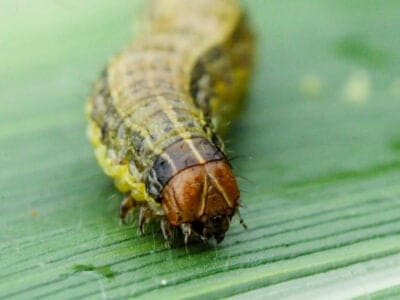
Armyworm
They are then named considering they "march" in armies of worms from one ingather to another in search of nutrient
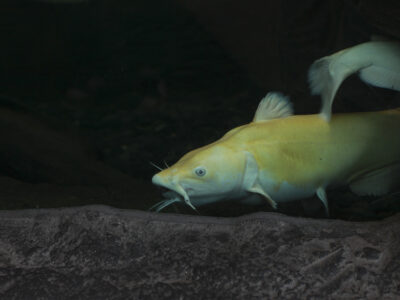
Blueish Catfish
It'southward a strong fighter when caught on a fishing line
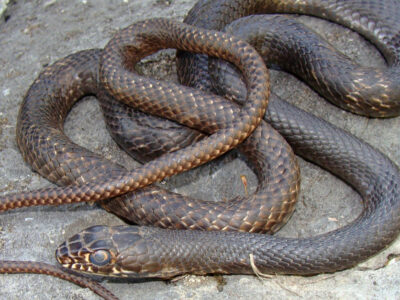
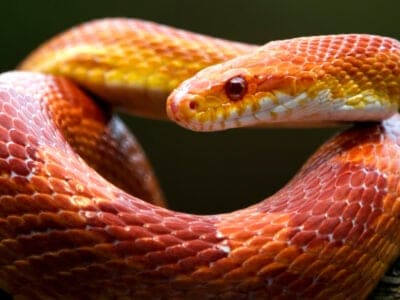
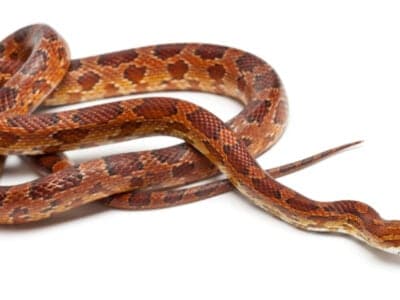
Corn Snake
Corn snakes are partly arboreal and are fantabulous climbers.
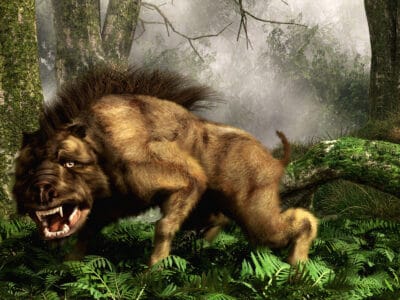
Daeodon
Scientists don't know whether daedon had scales, feathers, fur, or something else.

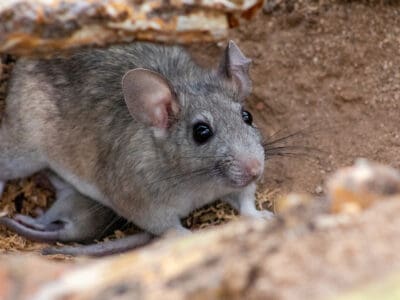
Eastern Woodrat
The eastern woodrat mating ritual involves a potentially mortiferous fight betwixt the male and female before reproduction begins!
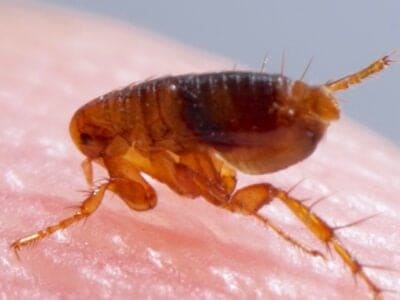
Flea
Adult fleas can jump up to seven inches in the air
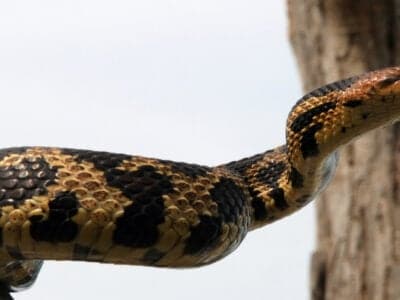
Play tricks Snakes
In some areas, fox snakes and gopher snakes have crossbred in the wild.
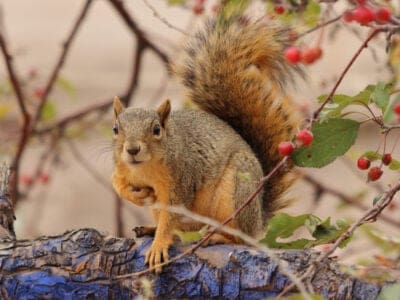
Fox Squirrel
Although it is a tree squirrel, it spends well-nigh of its time on the basis.
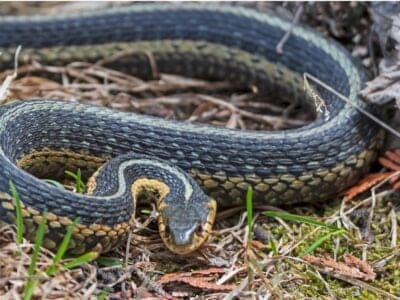
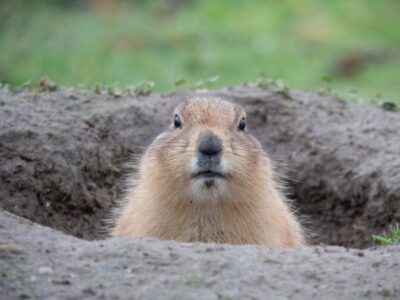
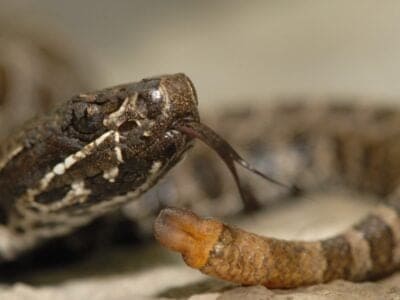
Massasauga
The proper name "Massasauga" comes from the Chippewa language, meaning "Great River Oral fissure".
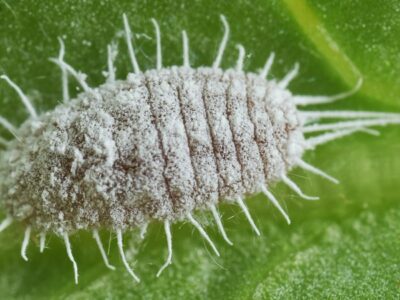
Mealybug
They have a symbiotic human relationship with ants.
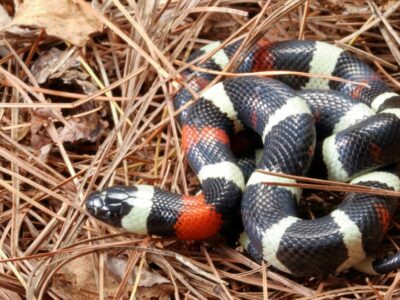
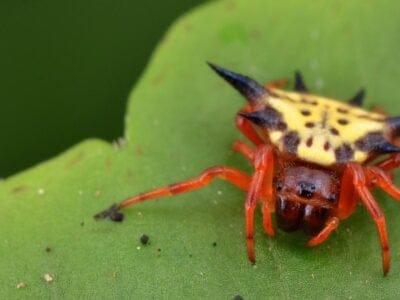
Orb Weaver
Females are about four times the size of males
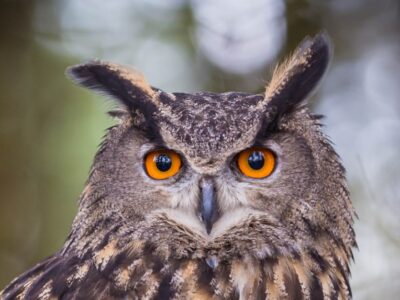
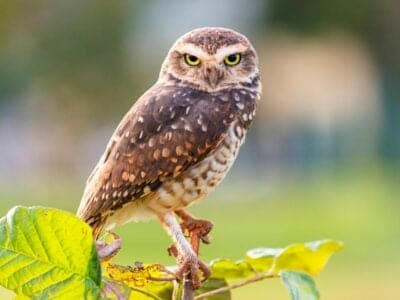
Owl
The owl tin rotate its head some 270 degrees
Rat Snakes
Rat snakes are constrictors from the Colubridae family unit of snakes.
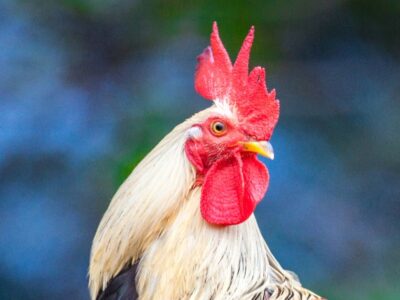
Rooster
Will mate with the entire flock!
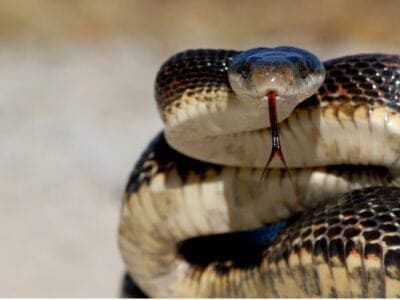
Western Rat Snake
Western rat snakes have special scales on their belly that help them climb upward trees.
Nebraskan Animals List
- Armyworm
- Bluish Catfish
- Burrowing Owl
- Coachwhip Ophidian
- Corn Snake
- Daeodon
- Dire Wolf
- Eastern Woodrat
- Flea
- Fox Snakes
- Trick Squirrel
- Grass Snake
- Groundhog (Woodchuck)
- Massasauga
- Mealybug
- Milk Snake
- Orb Weaver
- Owl
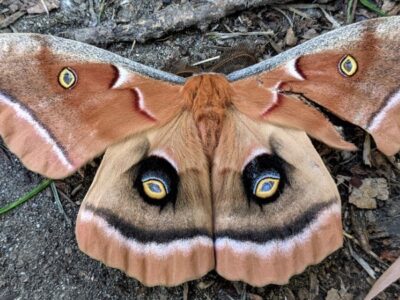
- Polyphemus moth
- Rat Snakes
- Rooster
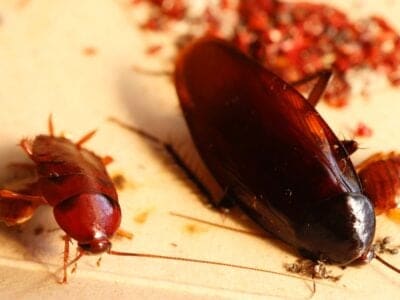
- Smokybrown Cockroach
- Western Rat Snake
Animals in Nebraska FAQs (Oftentimes Asked Questions)
What animals live in Nebraska?
Nebraska is abode to eighty species of mammals, 63 species of reptiles and amphibians, and more than 400 species of birds. These include bison, deer, black bear, dark-brown bear, lynx, cougar, gray wolf, coyote, fox, elk, sandhill crane, flying squirrel, and bighorn sheep.
What dangerous animals live in Nebraska?
Among the most dangerous animals in Nebraska are 4 species of venomous snakes. These include the timber rattlesnake, prairie rattlesnake, copperhead, and Western massasauga rattlesnake. Although big mammals rarely cause human injuries or death in Nebraska, information technology is also dangerous to go besides shut to bison, brownish bear, black bear, lynx, cougar, bats, Grayness wolf, moose, and coyote.
Are at that place mink in Nebraska?
American mink (Neogale vison) thrive in Nebraska. They are semiaquatic, living both on land and in the state's lakes, rivers, and streams. American mink feed on rodents, fish, birds, frogs, and crustaceans.
What rattlesnakes are in Nebraska?
There are three rattlesnakes in Nebraska: timber rattlesnakes, prairie rattlesnakes, and western massasaugas.
What spiders live in Nebraska?
Nebraska is home to many spiders. On the unsafe side, you'll want to exist on the lookout for brown recluses that have necrotic venom and can cause painful wounds with their bites. Larger spiders in the state include the tiger wolf spider and the dark line-fishing spider.
Are in that location wolves in Nebraska?
Nebraska is a native home of the Gray wolf, although the state's population of this in one case-endangered species has greatly declined. It is now rare to find a Gray wolf in Nebraska, whereas surrounding states like Colorado and Wyoming accept booming populations. Federally, the Gray wolf was removed from endangered species lists in 2021.
Source: https://a-z-animals.com/animals/location/north-america/united-states/nebraska/
Posted by: austintaidow72.blogspot.com
0 Response to "What Animals Are Located In Beaver Crossing Ne"
Post a Comment